- +1 (602) 922-5990
-
This email address is being protected from spambots. You need JavaScript enabled to view it. - Mon - Fri 8:00a - 5:00p AZ






-

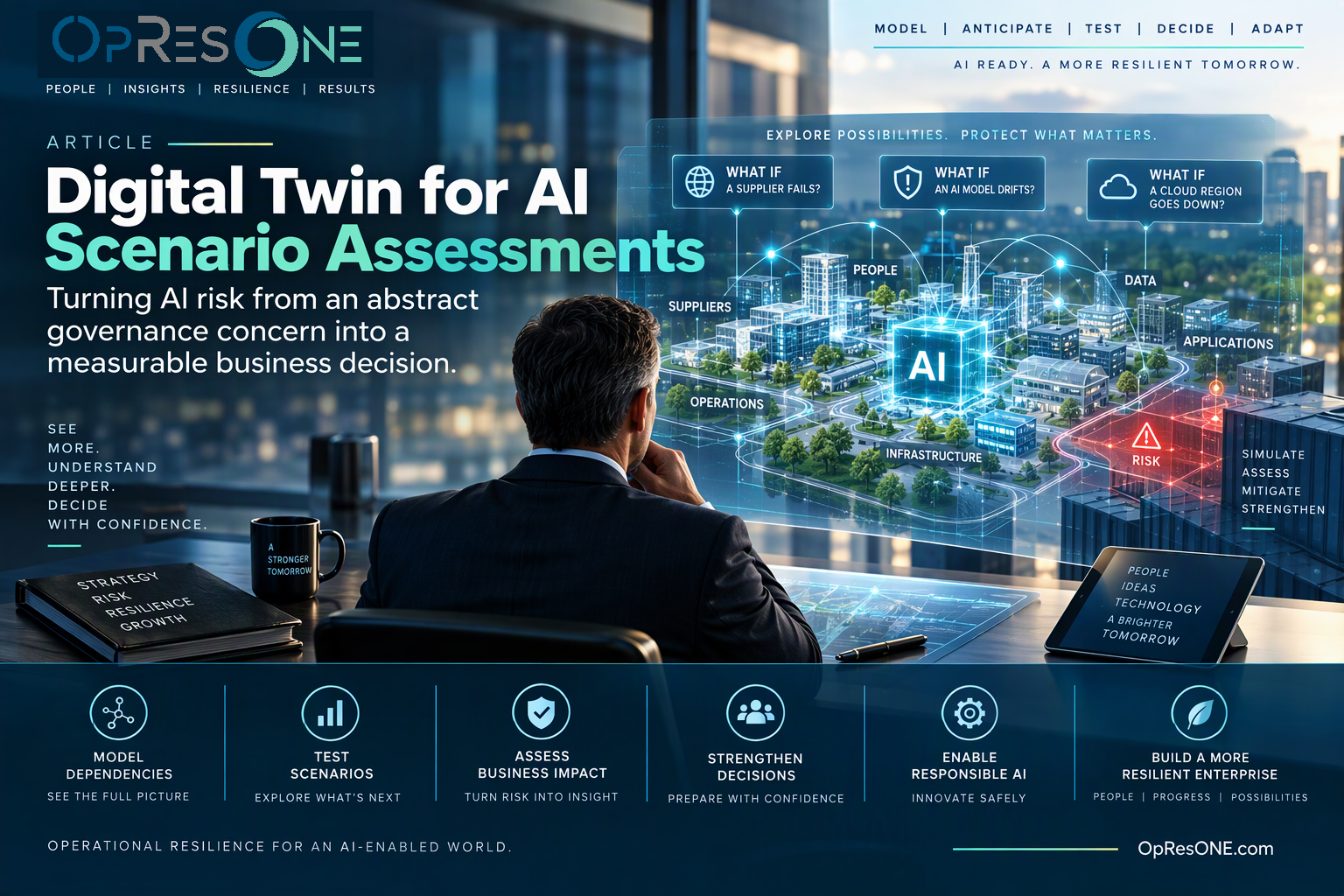 Artificial intelligence is moving rapidly from experimentation into the operating fabric of the enterprise. AI systems are influencing customer interactions, cybersecurity decisions, financial analysis, fraud detection, supply chains, software development, workforce productivity, risk management, and increasingly, decisions that once depended entirely on human judgment.
For executives, that creates extraordinary opportunity. It also creates a difficult new question.
-
Most boards and executive teams would say their organization has governance. There is a charter, a committee calendar, a risk register, a set of policies, and a steady flow of reports. Yet when a serious disruption, a regulatory inquiry, or a failed control lands on the table, the same question tends to surface: who actually owned this decision, and how did we know it was working? Oversight that cannot answer that question is activity, not governance.
This article explains how to turn governance from a set of structures into a practical system of accountability, one where decisions have named owners, expectations are written down, and leaders can see evidence that the organization is doing what it says it does. It is written for directors, executives, and the GRC leaders who support them.
-
Most organizations have a risk appetite statement. Far fewer can point to a recent decision that it changed. The statement is approved by the board, filed with the risk framework, and revisited once a year, while the choices that shape the organization's risk profile, such as which projects to fund, which suppliers to use, which products to launch, and which systems to retire, are made elsewhere, on different timelines, by people who may never have read it.
This article explains how to bring risk appetite out of the framework document and into everyday business decisions. It is written for chief risk officers, executives, and GRC leaders who want risk management to inform choices before they are made, not explain them afterward.
-
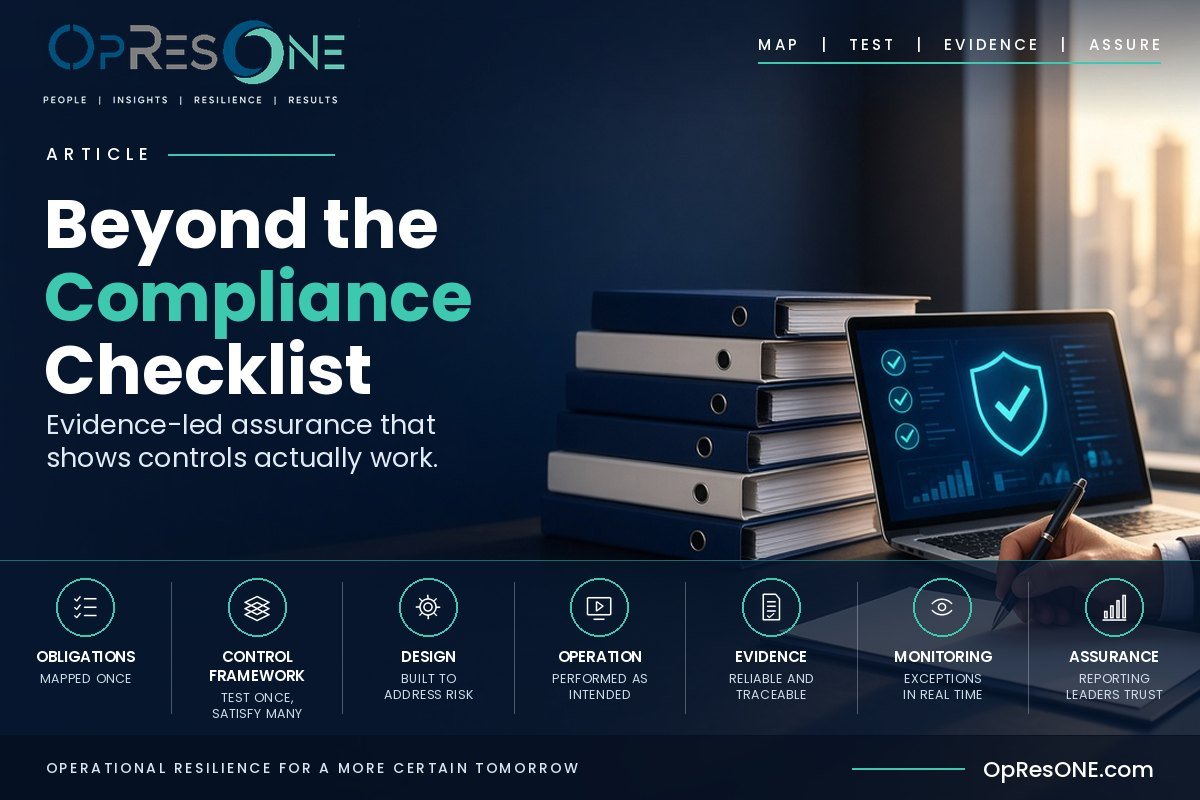 Every compliance program eventually produces a checklist. Requirements are listed, controls are mapped, owners tick boxes, and the audit file fills up. The checklist is useful, but it answers a narrow question: did we do what we said we would do? It rarely answers the question executives, auditors, regulators, and customers increasingly ask: how do you know your controls actually work?
This article explains how to move from checklist compliance to evidence-led control assurance, an approach that tests whether controls are well designed and operating effectively, and that produces evidence strong enough to rely on. It is written for compliance leaders, internal auditors, and the control owners who carry the day-to-day load.